

Dissociative Anesthetics – Medical Uses, Effects & Safety Information in Europe & UK
Dissociative Anesthetics Europe are a class of pharmacological compounds that alter perception, consciousness, and pain response by acting primarily on the brain’s NMDA (N-methyl-D-aspartate) receptors. These substances are widely used in modern medicine and anesthesia, particularly in controlled clinical environments across Europe and the United Kingdom.
Unlike traditional sedatives, dissociative anesthetics create a unique state where patients may experience a reduced perception of pain, detachment from surroundings, and altered sensory processing. Because of their powerful effects on the central nervous system, these compounds are strictly regulated and only administered under professional medical supervision.
What Are Dissociative Anesthetics?
Dissociative anesthetics are drugs that produce a “dissociation” between the brain and external sensory input. This means that while a patient may remain conscious, their perception of pain, time, and environment can be significantly altered.
They primarily work by blocking NMDA receptors in the brain, which play a key role in:
- Pain transmission
- Memory formation
- Sensory integration
- Conscious awareness
This mechanism makes them highly effective in anesthesia and emergency medicine.
Medical Uses of Dissociative Anesthetics in Europe
In modern healthcare systems across Europe, dissociative anesthetics are used for several important clinical purposes:
General anesthesia induction
They help initiate anesthesia before surgical procedures.
Pain management
Used in controlled environments for acute and chronic pain treatment.
Emergency medicine
Useful in trauma care where rapid sedation is required.
Mental health treatment (controlled clinical use)
Some dissociatives are being studied and used under strict supervision for treatment-resistant depression and mood disorders.
Common Dissociative Compounds
1. Ketamine
Ketamine is the most widely used dissociative anesthetic in both human and veterinary medicine. It is commonly used in hospitals for anesthesia induction and pain control. In recent years, it has also been studied in controlled clinical settings for mental health treatment.
2. Nitrous Oxide
A medical anesthetic gas used in dentistry and minor surgical procedures. It produces mild dissociative and analgesic effects.
3. Dextromethorphan (DXM)
A cough suppressant found in some medications, which at high doses can affect NMDA receptors, though it is not used clinically as an anesthetic.
4. Phencyclidine (PCP)
Originally developed as an anesthetic, it is now restricted and primarily used only in research contexts due to its safety profile.
FAQ – Dissociative Anesthetics
What are dissociative anesthetics used for?
They are used in anesthesia, pain management, and emergency medical sedation under clinical supervision.
Is ketamine a dissociative anesthetic?
Yes. Ketamine is a widely used dissociative anesthetic in hospitals and clinical research settings.
How do dissociatives work in the brain?
They block NMDA receptors, which reduces pain perception and alters sensory awareness.
Are dissociatives safe?
They are safe when used in controlled medical environments under professional supervision.
Are dissociatives legal in Europe?
Yes, but only in regulated medical use with prescriptions and clinical authorization.

Dissociatives
Dissociatives
Dissociatives

Dissociatives

Dissociatives
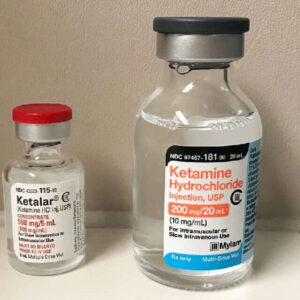
Dissociatives
Dissociatives
Dissociatives

Dissociatives
Dissociatives